Can hijama help with weight loss? Discover what scientific studies say about the link between cupping therapy and weight management.
Weight loss is a topic that concerns many women. Faced with restrictive diets and miracle solutions, hijama (cupping therapy) presents itself as a natural complementary approach. But what does science really say about the link between hijama and weight loss?
How does hijama act on the body?
Hijama acts on the metabolism by stimulating blood circulation, reducing chronic inflammation and supporting the elimination of toxins — three essential levers to support sustainable, natural weight loss.
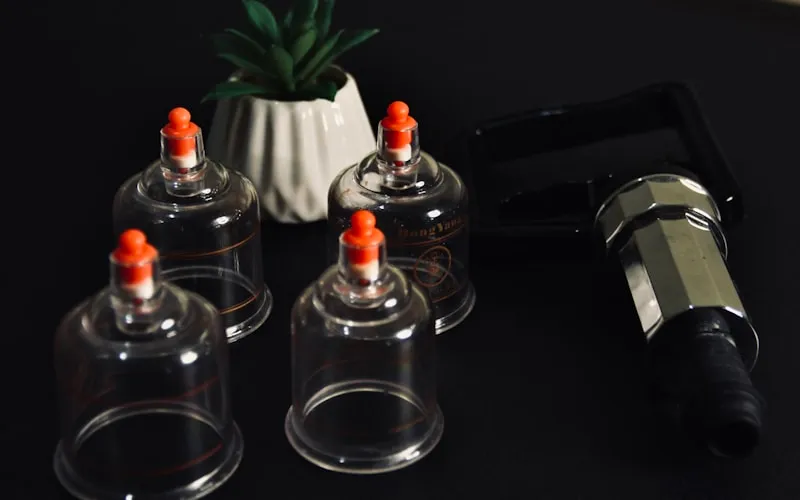
Hijama, or cupping therapy, is an ancient technique that stimulates several physiological mechanisms. When cups are applied to the skin, they create suction that draws blood toward the treated area. This process can influence the metabolism in several ways:
- Stimulation of blood circulation: better circulation improves the delivery of oxygen and nutrients to tissues, which can optimise cellular metabolism.
- Elimination of toxins: hijama (wet cupping) allows the extraction of stagnant blood, supporting the body's natural detoxification process.
- Reduction of inflammation: chronic inflammation is a factor often associated with weight gain and resistance to weight loss.
- Hormonal regulation: some studies suggest that hijama can positively influence the levels of certain hormones involved in metabolism.
What scientific studies say
Several studies have explored the effects of cupping therapy on metabolic parameters:
Effect on the lipid profile
A study published in the Journal of Traditional and Complementary Medicine observed that patients receiving regular hijama sessions showed an improvement in their lipid profile, with a reduction in LDL cholesterol ("bad cholesterol") and triglycerides. An improved lipid profile is often associated with better weight management.
Reduction of stress and cortisol
Cortisol, the stress hormone, plays a major role in fat storage, particularly around the abdomen. Preliminary research indicates that hijama can help to reduce cortisol levels, which could indirectly support weight loss, especially of visceral fat.
Improved digestion
When cups are applied to specific points on the back and abdomen, they can stimulate the digestive organs. Optimal digestion is essential for proper nutrient absorption and an efficient metabolism.
In my practice at the Brussels clinic, I regularly see that patients who combine hijama with an adapted lifestyle achieve more pronounced results. Through my years of experience as a nurse, I have observed that hijama mostly helps to unblock situations of stagnation: patients who, despite diet and exercise, were no longer seeing progress. After a few targeted sessions on the lumbar and abdominal areas, several of them noticed a restart of their metabolism, less bloating and a renewed sense of lightness.
Hijama as a complementary approach
Hijama is not an isolated slimming remedy, but an effective complement that optimises the effects of a healthy lifestyle by acting on circulation, inflammation and stress — three frequent obstacles to weight loss.
It is important to understand that hijama is not a miracle solution for weight loss. It works best when integrated into an overall approach that includes:
- A balanced diet: favour unprocessed foods rich in fibre, protein and good fats.
- Regular physical activity: even 30 minutes of daily walking can make a significant difference.
- Good hydration: drinking 1.5 to 2 litres of water per day supports the elimination of metabolic waste.
- Quality sleep: lack of sleep disrupts the hunger hormones (ghrelin and leptin).
- Stress management: meditation, breathing and hijama itself help to reduce chronic stress.
Targeted areas for the metabolism
Certain areas of the body are strategically targeted in hijama to stimulate metabolism, support elimination and restart circulation in areas where fat tends to accumulate most easily.
At the clinic, certain areas are particularly targeted for patients wishing to support their weight-loss journey:
- The upper back (between the shoulder blades): a traditional hijama point that stimulates overall energy.
- The lumbar area: connected to the kidneys and the elimination of toxins.
- The abdomen: dry cups to stimulate digestion and local circulation.
- The legs: to encourage venous return and reduce water retention.
Patient testimonials
Several of our patients in Brussels have noted significant improvements after regular hijama sessions:
- Less bloating and improved digestion
- A sense of lightness and renewed energy
- Reduced water retention
- Better sleep and fewer stress-related cravings
These testimonials are not scientific evidence, but they illustrate how hijama can fit into an overall wellbeing journey.
Recommended frequency
The ideal pace of hijama sessions for weight loss depends on your situation, but a progressive protocol in three phases — intensive, consolidation and maintenance — gives the best results.
To support a weight-loss journey, we generally recommend:
- Initial phase: 1 session per week for 4 to 6 weeks
- Maintenance phase: 1 session every 2 to 4 weeks
- Long-term upkeep: 1 monthly session
Each programme is personalised to your goals and your state of health.
Conclusion
Hijama alone does not cause weight loss, but it can be a valuable ally in a comprehensive weight-loss approach. By stimulating circulation, reducing inflammation and stress, and supporting detoxification, it creates favourable conditions for a more efficient metabolism.
Want to add hijama to your wellness routine? Book your session at our clinic in Berchem-Sainte-Agathe and benefit from personalised guidance from a qualified nurse. Also see our complete guide to cupping therapy in Brussels to learn all about the different cupping techniques.
Tags