Discover how to integrate hijama into a holistic approach to wellbeing for optimal health.
In our quest for wellbeing, we often seek solutions that treat not only the symptoms but also the underlying causes of our ailments. Hijama (wet cupping) fits perfectly into this holistic approach to health.
Hijama in tradition
Hijama is one of humanity's oldest therapeutic practices, present in traditional Chinese medicine, Arab-Islamic medicine and numerous cultures, recognised by the NCCIH as a legitimate form of complementary medicine.
Hijama has been practised for millennia across different cultures. According to the National Center for Complementary and Integrative Health (NCCIH), cupping therapy is among the oldest traditional medicine practices. In the Prophetic Islamic tradition, it is considered one of the finest remedies. The Prophet Muhammad (peace and blessings be upon him) said: "The best of remedies is hijama."
This age-old practice has endured through the centuries because it meets a fundamental need: helping the body to purify itself and restore its natural balance.
Integrating hijama into your wellbeing routine
Hijama integrates naturally into a comprehensive wellbeing routine by combining with a healthy diet, regular physical activity and stress management practices for optimal results.
With healthy eating
Hijama supports the elimination of toxins. To optimise its effects:
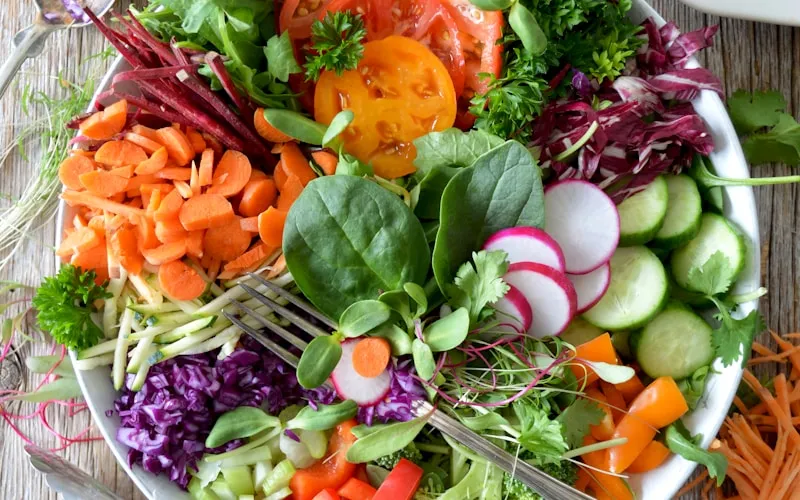
- Favour a diet rich in vegetables and fruit
- Reduce processed foods and refined sugars
- Drink enough water (1.5 to 2 litres per day)
- Consume anti-inflammatory foods (turmeric, ginger, omega-3)
With physical activity
Movement and hijama complement each other perfectly:
- Hijama aids muscular recovery after exercise
- It can relieve tension caused by poor posture
- Yoga and gentle stretching prepare the body for sessions
With stress management
Chronic stress can cause numerous imbalances. Hijama, combined with other practices, helps to:
- Reduce physical tension linked to stress
- Promote restorative sleep
- Create a moment of pause and reconnection with yourself
In my Brussels practice, I encourage my patients to see hijama not as an isolated act but as a regular appointment with themselves. What I observe is that women who integrate hijama into a comprehensive approach — paying attention to their diet, moving regularly, taking the time to rest — achieve significantly more lasting results. Hijama then becomes a catalyst for change: it provides momentum, relieves accumulated tension and puts the body in the right condition for other healthy habits to bear fruit.
Favourable times for hijama
Tradition recommends certain particularly favourable times for hijama: the odd days of the lunar month, in the morning on an empty stomach, and the seasonal transition periods to prepare the body for change.
According to tradition, certain times are particularly favourable:
- The odd days of the lunar month: notably the 17th, 19th and 21st days
- In the morning: ideally on an empty stomach or after a light meal
- Seasonal changes: to prepare the body for transitions
Long-term benefits
Regular hijama practice, combined with a healthy lifestyle, strengthens the immune system, regulates hormonal cycles, improves blood circulation and promotes lasting emotional balance.
Regular hijama practice, integrated into a healthy lifestyle, can help to:
- Strengthen the immune system
- Improve skin quality
- Regulate hormonal cycles
- Maintain good blood circulation
- Prevent the build-up of toxins
- Promote emotional balance
A path to wellbeing
Hijama is not a miracle cure, but a valuable tool in your wellbeing toolkit. Coupled with a balanced diet, regular physical activity and healthy stress management, it can help you achieve an optimal state of health.
The important thing is to listen to your body and find the rhythm that suits you. Some people benefit from monthly sessions, whilst others prefer a seasonal approach.
Conclusion
Hijama represents much more than a simple therapeutic technique. As the WHO highlights in its strategy on traditional medicines, it is an invitation to take care of yourself holistically, to reconnect with ancestral practices whilst benefiting from modern knowledge.
Ready to add hijama to your wellness routine? Book a discovery session and start your journey toward holistic health.
Tags